
Bringing State Legislation Into Civic Education.
Introducing a new approach to civic education.

Adrian Menard
Founder and CEO
M.S., Data Science - University of Washington
Adrian is a technology executive, entrepreneur, and U.S. Army veteran with more than 20 years of experience designing and delivering enterprise software, cloud platforms, and complex data systems. Before founding Legislative Labs, he built a successful consulting practice and led large-scale technology initiatives across the private and public sectors.

Joe Singleton
Head of Data
B.S., Information Systems - University of Idaho
Analytics leader with 20 years of experience building high-performing organizations, modernizing data platforms, and delivering data-driven solutions that improve operational performance and decision-making. Joe leads data strategy and platform execution, to turn complex legislative data into reliable intelligence products that support faster decisions and measurable outcomes.

Casey Campbell
Go-to-Market Lead
B.A., Journalism - Arizona State University
Casey leads Legislative Labs’ go-to-market strategy, partnerships, and public communications. With experience in marketing, journalism, and stakeholder engagement, he helps translate complex civic technology into clear stories that resonate with educators, advocacy organizations, public affairs professionals, and the communities they serve.
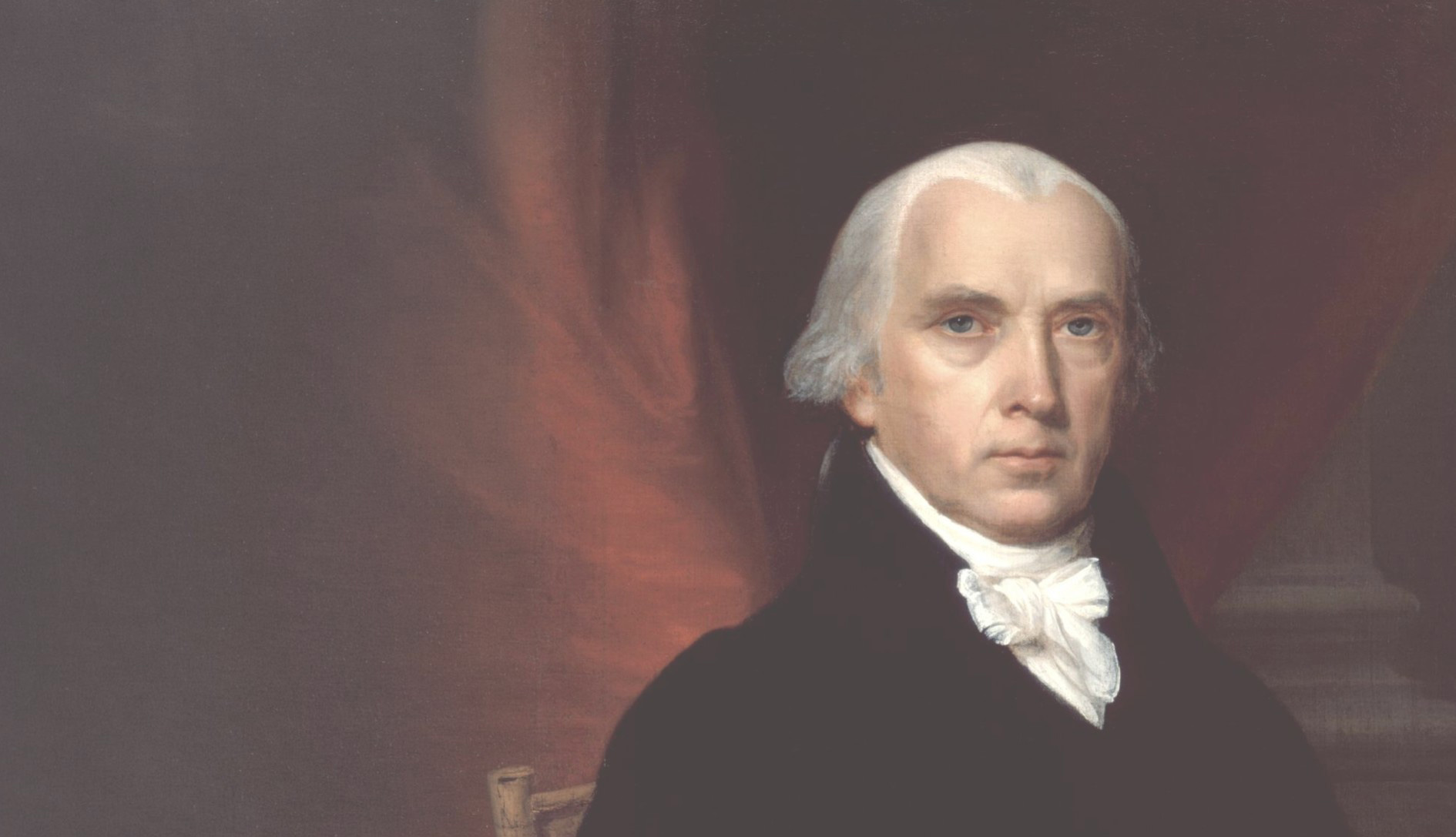
“A popular Government, without popular information, or the means of acquiring it, is but a Prologue to a Farce or a Tragedy; or, perhaps both. Knowledge will forever govern ignorance: And a people who mean to be their own Governors, must arm themselves with the power which knowledge gives.”
- James Madison, 1822
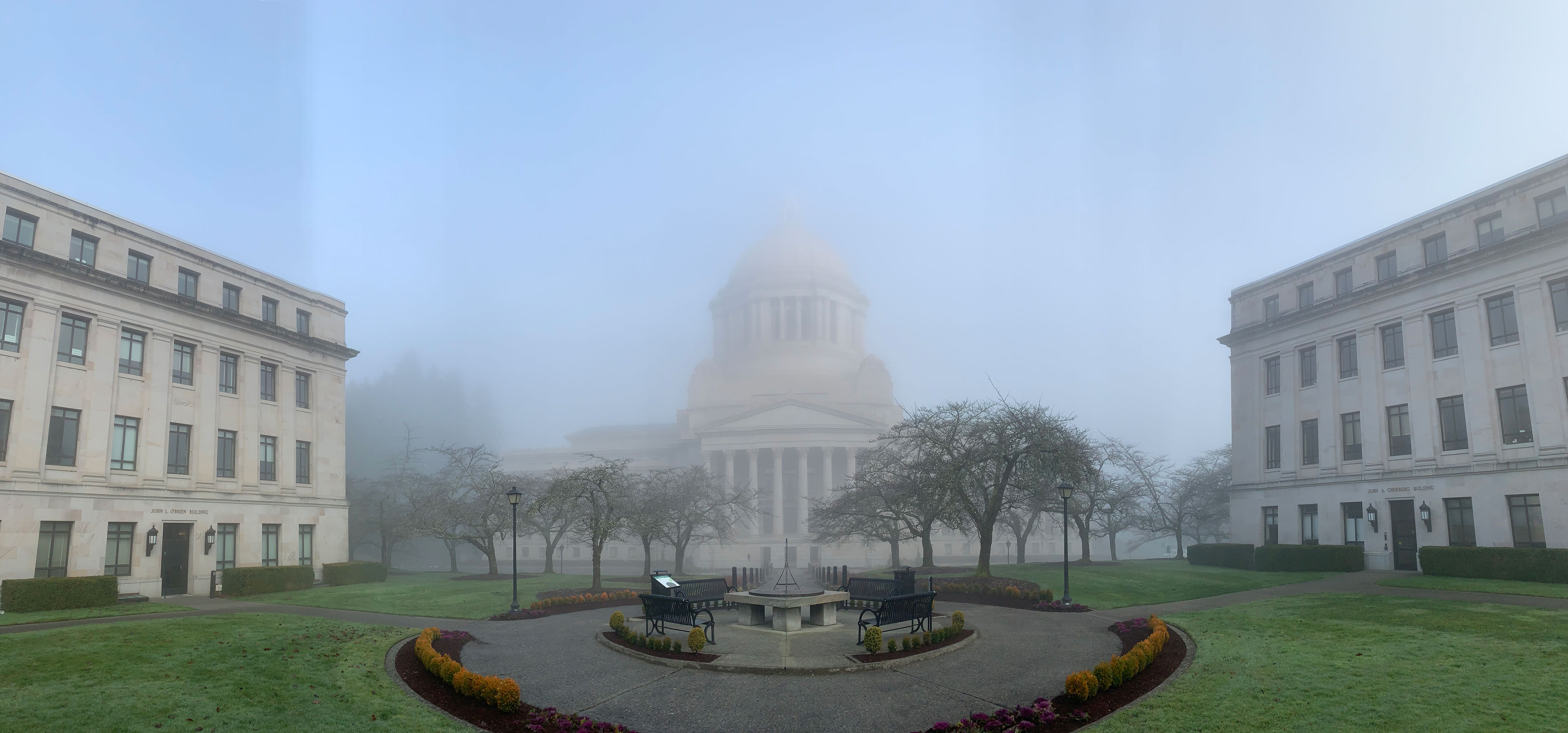
Two centuries later, I saw what that warning looks like up close. I was a technician keeping the voting system running on the floor of the Washington State House, and with nothing to fix, the staff waved me behind the members to watch. Aides ducked in from the gallery with notes. Members leaned in and traded counts. Votes landed and public policy took shape in real time, a foot in front of me.
All I could think about was everyone who would never see it. The people who elected these members experience their government through a headline weeks later, after the decision is made, and assume their part ended at the ballot box. I was looking at the machine with the cover off, and one thing became obvious: a machine can be modeled, and what can be modeled can be shown to the people it belongs to.

The idea followed me for a couple of years while I finished a master's in data science. I wanted a hard problem worth solving. It came to me in a parking lot. Walking out of a late movie with a friend around midnight, I said, "I bet I can predict whether a bill will pass, just from the data."
So I started building. I pulled years of messy legislative records into something I could work with, then taught the system to spot what gives a bill momentum and what kills it. I was never after a crystal ball, though. I wanted to figure out what bills would make the ‘Final Four’, not predict the final score of the championship game. When it worked, it could take a whole session's pile of bills and tell you the few that had a real shot.

Here is the math that runs our democracy: Washington state introduces around three thousand bills a session. The window to actually weigh in is only three weeks. No one with a job, family, and life outside politics is reading three thousand bills in three weeks. The information is public, but public is not the same as usable. It's buried across systems built by government, for government, and the tools to decode it are priced for lobbyists and law firms, not the rest of us.
The piece I was missing arrived years later, when AI could finally read and explain legislation at scale. Now Legislative Labs reads each bill the moment it's filed, explains it in plain language, scores its odds, and surfaces only the ones that touch your life. Then it helps you act: a comment to your representative, public testimony, or a post to rally your network, generated in seconds. You raise your voice like a lobbyist without ever stepping into the lobby.
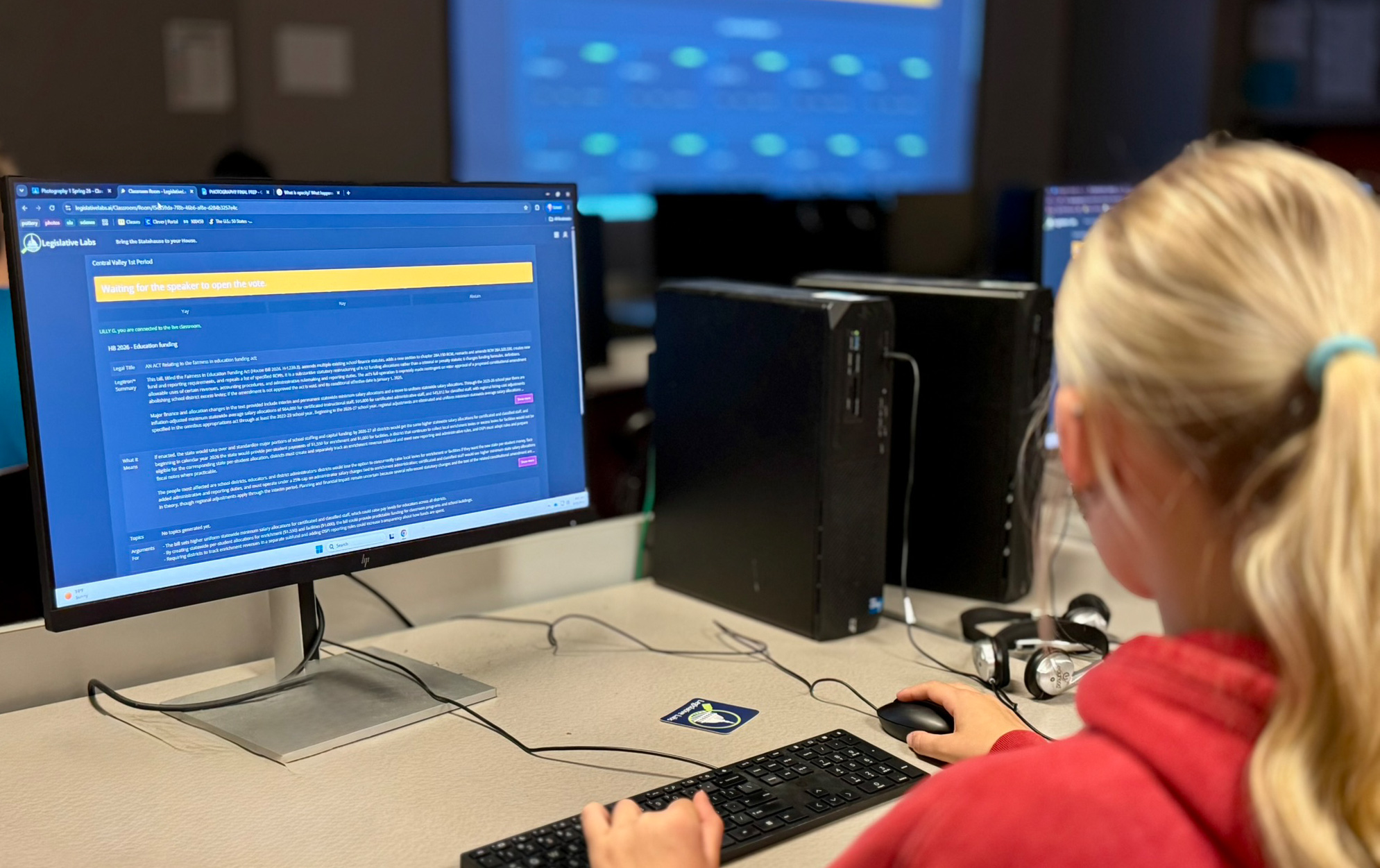
I have always wanted to teach without ever wanting the classroom. So I built a mode that turns real, current bills into a live floor debate, and took it to Central Valley High School, in Spokane, Washington; to try on about two hundred students. I gave them real bills and the arguments on both sides, then opened the floor. Financial literacy classes, phones in school, AI in the classroom, even a redesign of the state flag. They picked sides, argued it out, voted, and then saw what the legislature actually did. In a few minutes, a room of teenagers went from bored to genuinely invested in laws they had never heard of.
That’s when I realized this isn’t just for social studies. Almost every subject eventually runs into policy. An economics teacher can pull live bills on taxes or housing, a science teacher on energy or research funding, or a business class on corporate regulation. There’s no shortage of real legislation worth debating, which means no shortage of classrooms this belongs in. I walked out certain I had mislabeled my own company. I had been calling it a legislative intelligence tool. In reality, it’s a civic engagement engine.

State government is where the distance between a citizen and a decision is shortest. The federal government paints in a broad brush, crowded with special interests, and it's hard for one person to feel they moved anything. A state bill is your school's lunch program, the cost of childcare, and your neighbor's derelict boat sitting out on the lake. It's close enough to touch, which means you can change it.
When Washington took up a tax on its highest earners in 2026, more than eighty thousand citizens signed in to register a position and broke every public engagement record the state had. People show up when they understand what's in front of them: everyday citizens and the advocates and journalists beside them, the lobbyists who do this for a living, and the classrooms where the next generation learns how any of it works.

Our founding fathers staked the entire experiment of self-government on a citizenry that knows what its government is doing, yet civic knowledge is thinner than it has ever been. It’s not that people don't care, it’s that what they need is buried in jargon and broken systems, at the exact moment we all carry the sum of human knowledge in our pockets.
My default setting has always been to get involved. I enlisted in the Army after September 11th, deployed to Iraq and participated in 265 combat missions. I swore an oath to support and defend the Constitution, and that oath didn't end when my service did. From the battlefields of Iraq to the halls of government, the mission has never changed: serve the American people.
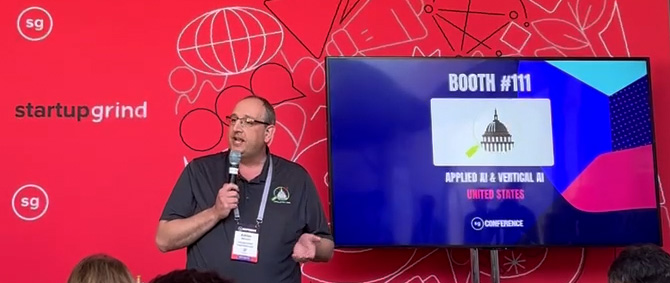
For the first time, the tools exist to close the gap I saw from that floor in 2015, and people want in. The road from here is one state at a time, toward a country where understanding your government is as ordinary as checking the weather.
This is civic tech at the moment it stops being theoretical, and whoever builds the rails for that reconnection will shape how a generation relates to its government. We are laying the tracks. Bring the Statehouse to your house. Bring the Statehouse to the schoolhouse.
Give the country its voice back.
IN THE SPOTLIGHT
